Master Rear Curtain Flash Sync: 7 Tips for Perfect Night Photography
Introduction
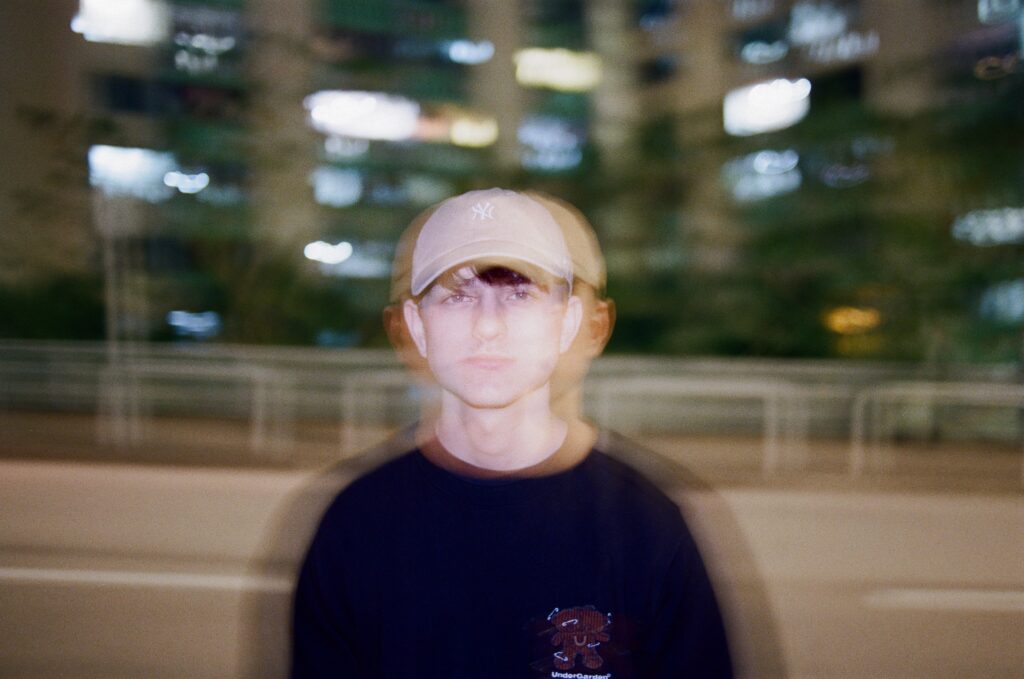
Rear curtain flash sync, often overlooked by many photographers, is a powerful technique that can transform your night photography. By firing the flash at the end of the exposure, rear curtain sync allows for dynamic and creative effects, capturing motion trails and adding depth to your images. In this guide, we’ll explore what rear curtain flash sync is, how to use it, and provide tips and techniques to help you master this technique for stunning night photography results.
What is Rear Curtain Flash Sync?
Rear curtain flash sync, also known as second curtain sync, is a flash mode where the flash fires at the end of the camera’s exposure rather than at the beginning. This means that the flash goes off just before the shutter closes, capturing any motion blur that occurs during the exposure and freezing the subject at the end.
Benefits of Rear Curtain Flash Sync
Capturing Motion Trails
One of the primary benefits of rear curtain flash sync is its ability to capture motion trails. This technique is particularly effective in low-light conditions or when photographing moving subjects, such as cars, dancers, or runners. The motion trails created by the longer exposure add a sense of movement and energy to the final image.
Adding Depth and Dimension
Rear curtain sync can add depth and dimension to your photos. By freezing the subject at the end of the exposure, the resulting image appears more dynamic and layered, with a clear distinction between the subject and the background.
Creative Effects
Using rear curtain sync opens up a world of creative possibilities. You can experiment with different exposure times, movements, and light sources to create unique and visually striking images that stand out from typical flash photography.
Setting Up Rear Curtain Flash Sync
Camera Settings
To use rear curtain flash sync, you’ll need to adjust your camera settings. Most modern DSLRs and mirrorless cameras have a rear curtain sync option in the flash settings menu. Ensure your camera is set to manual or shutter priority mode, as this will give you greater control over the exposure time and the overall look of your image.
Flash Settings
Depending on your flash unit, you might need to set rear curtain sync directly on the flash itself. Refer to your flash’s manual for specific instructions. Some flashes have dedicated buttons or menu options for rear curtain sync, making it easy to switch between flash modes.
Tips for Using Rear Curtain Flash Sync
Choose the Right Shutter Speed
Selecting the appropriate shutter speed is crucial for achieving the desired effect. Longer exposures (1/15 second or slower) will create more pronounced motion trails, while shorter exposures will result in subtler effects. Experiment with different shutter speeds to see what works best for your subject and environment.
Stabilize Your Camera
Using a tripod or other stabilizing equipment is essential when working with long exposures. This will prevent camera shake and ensure that the stationary elements of your image remain sharp while capturing the motion trails effectively.
Experiment with Movement
Encourage your subjects to move during the exposure. This could be as simple as walking, dancing, or even waving a light source. The movement will be captured as a blur, with the flash freezing the subject at the end of the exposure, creating a dynamic and engaging image.
Control Your Background
Pay attention to the background and how it interacts with your subject. A busy or brightly lit background can compete with your subject, while a dark or simple background will help the motion trails and subject stand out more prominently.
Use Manual Focus
Autofocus can struggle in low-light conditions, especially when dealing with movement. Switch to manual focus to ensure your subject is sharp. Pre-focus on your subject or a specific point where you expect the subject to be when the flash fires.
Adjust Flash Power
Depending on the ambient light and distance to your subject, you might need to adjust the flash power. Lowering the flash power can help balance the exposure, preventing the subject from being overexposed while maintaining the motion trail effect.
Practice and Experiment
As with any photographic technique, practice is key to mastering rear curtain flash sync. Don’t be afraid to experiment with different settings, movements, and compositions. The more you practice, the more you’ll understand how to use this technique effectively to enhance your night photography.
Creative Uses for Rear Curtain Flash Sync
Light Painting
Combining rear curtain sync with light painting can yield stunning results. Have your subject move a light source, such as a flashlight or sparkler, during the exposure. The light trails will be captured, and the flash will freeze the subject at the end, creating a captivating and artistic image.
Action Shots
For action shots, such as sports or dance photography, rear curtain sync can emphasize the movement and energy of the activity. The motion blur will illustrate the action, while the flash freeze will keep your subject in sharp focus.
Urban Nightscapes
In urban environments, rear curtain sync can be used to capture the hustle and bustle of city life. The technique can highlight the movement of cars, bicycles, or pedestrians against the backdrop of a cityscape, adding vibrancy and motion to your photos.
Portraits with a Twist
Adding a creative twist to your portraits can be easily achieved with rear curtain sync. Have your subject move slightly or use props that create interesting light trails. The resulting image will be a blend of sharp focus and dynamic blur, making your portraits stand out.
Conclusion
Mastering rear curtain flash sync can significantly elevate your night photography, adding depth, motion, and creativity to your images. By understanding the technique and practicing different settings and movements, you can create visually compelling photographs that capture the energy and vibrancy of your subjects. Whether you’re photographing urban scenes, dynamic action shots, or artistic portraits, rear curtain sync offers a powerful tool to enhance your photographic repertoire.